Showing posts with label Destination. Show all posts

Saturday, September 8, 2012

ခ်ရပ္စ္ဂူ

 ပန္ခ်င္းေတာင္ (Bukit Panching)
မထင္မွတ္ပဲ၊ ႀကိဳတင္စီစဥ္ တာေတြ မလုပ္ပါပဲ ပန္ခ်င္းေတာင္ (Bukit Panching) ေပၚက ခ်ရပ္စ္ဂူ ကိုေလ့လာျဖစ္ခဲ့ ပါတယ္။ မေလးရွားကၽြန္းဆြယ္ ရဲ႕ အေရွ႕ဖက္ ကမ္းရိုးတမ္း က Cherating Beach ကို ပိတ္ရက္ရွည္ ရတုန္း မိသားစုနဲ႔ သြားခဲ့ ရာမွ အျပန္ နာမည္ေက်ာ္ Kuantan ၿမိဳ႕ ကို၀င္၊ အဲဒီကေနမွ ကီလို သုံးဆယ္ ေလာက္ထပ္ေမာင္း ၿပီး ဆီအုန္းၿခံ ေတြရဲ႕ အလယ္ က ဇြဲကပင္ေတာင္ ႀကီးလို ထီးထီး ႀကီးရွိေနသည့္ ပန္ခ်င္း ေတာင္ကိုေရာက္ခဲ့တာျဖစ္ပါတယ္။ ခ်ရပ္စ္ဂူ (Gua Charas) ကေတာ့ ပန္ခ်င္းေတာင္ ရဲ႕ ေတာင္ထိပ္ မေရာက္ခင္ ေလးပုံ တစ္ပုံေလာက္အလို ေလာက္ မွာရွိတယ္လို႔ ယူဆပါတယ္။ ပန္ခ်င္းေတာင္ ဟာ က်ေနာ့္ အထင္ ေပ ၂၀၀၀ နီးပါး ေလာက္ ျမင့္တယ္လို႔ ထင္ပါတယ္။ Tourism Malaysia ရဲ႕   information plate မွာေရးထားတာ ေတာ့ မီတာ ၁၀၀၀ ပါတဲ့။ ေပ ၃၀၀၀ ေက်ာ္ျမင့္တယ္ဆိုတဲ့ သေဘာေပါ့။ က်ေနာ္ေတာ့ မထင္ပါဘူး။ ေတာင္ က ပန္ခ်င္းေတာင္ ျဖစ္ၿပီး ဂူနာမည္ က်မွ ဘာေၾကာင့္ ခ်ရပ္စ္ဂူ ျဖစ္ေနရတာ လဲ ဆိုတာကလဲ စိတ္၀င္စားစရာ ေကာင္းေလာက္ေအာင္ အေျဖရွာ မေတြ႔ ပါဘူးလို႔ လဲ ဆိုပါတယ္။ ထုံးေက်ာက္ ေတာင္ ႀကီး နဲ႔ ဂူ ဟာအနည္းဆုံး ႏွစ္သန္းေပါင္း ၄၀၀ ေလာက္ သက္တမ္းရွိၿပီလို႔ ဆိုပါတယ္။

Caving (Spelunking)  သမားေတြ အတြက္ေတာ့ Gua Charas ဟာ Adventure Cave နဲ႔ Show Cave အမ်ိဳးအစား ႏွစ္မ်ိဳးရွိရာမွာ အျပဂူ (Show Cave) အမ်ိဳးအစား ျဖစ္ပါတယ္။  အၾကမ္းအားျဖင့္ ဂူအတြင္းပိုင္း က်ယ္ျပန္႔ ၿပီး လမ္းေလွ်ာက္၀င္သြားလို႔ ရတဲ့ ဂူအမ်ိဳး အစား ေတြကို Show Cave လို႔ ေခၚၿပီး ခက္ခဲခဲ ႀကိဳးေတြ ဓါတ္မီးေတြ စတဲ့ (Caving Gear) နဲ႔၀င္ရတဲ့ ဂူအမ်ိဳးအစား ေတြကိုေတာ့ Adventure Cave လို႔ ဆိုရမွာျဖစ္ပါတယ္။ ဂူေတြ ထဲကို ၀င္ၾကည့္ ရင္ စိတ္၀င္စား စရာ၊ ေလ့လာစရာ ေတြ အမ်ားႀကီး ရွိပါတယ္။ အနည္းဆုံး ဘူမိေဗဒ၊ ဂူအတြင္းထဲ က အင္းဆက္ပိုးမႊားေတြ၊ ဖားျပဳပ္၊ ေျမြ၊ လင္းႏို႔၊ အပင္ အမ်ိဳးအစားေတြ အျပင္ ကမာၻဦးလူသား ေတြ ေနထိုင္ခဲ့ တဲ့ ဂူေတြမွာ ဆိုရင္ နံရံေဆးေရး ပန္းခ်ီေတြ ကိုၾကည့္ ၿပီး ဘယ္လို ေနထိုင္ ခဲ့တယ္၊ ဘယ္လို ေက်ာက္လက္နက္ ေတြ ကိုသုံး စြဲ ခဲ့တယ္ စသည္ျဖင့္ သမိုင္းမတင္ မွီက အေၾကာင္းေတြကို ေလ့လာ ႏိုင္မွာ ျဖစ္ပါတယ္။ Caving အေၾကာင္း ကို ဒီေနရာမွာ ေရးခဲ့ဘူးပါတယ္။

 ေတာင္ေျခက ဆိုင္ကေလး

ပန္ခ်င္းေတာင္ ေျခ ကိုေရာက္ေတာ့ ကိုယ္ပိုင္ ကားေတြ အျပင္ တိုးရစ္ ေတြ အျပည့္နဲ႔ Tour Bus တစ္စီး ရပ္ထားတာ ေတြ႔ ရပါတယ္။ ႏိုင္ငံျခားသားဧည့္သည္ေတြကို ျပသရာ နာမည္ႀကီး Point of Tourist Attraction မဟုတ္ေသာ္ လည္း ေဒသခံ ေတြ နဲ႔ အတူ တိုးရစ္ေတြ ပါလာေရာက္ ေလ့လာ ၾကတာ ေတြ႔ ရပါတယ္။ ကာပါကင္ ခ ၂ ရင္းဂစ္ ေပးၿပီး အေပၚကို တက္ၾကည့္ တဲ့ အခါမွာ ဂူကို ရုပ္တရက္မေတြ႔ ရလို႔ စိတ္ပ်က္ သလိုေတာင္ ျဖစ္သြားပါေသးတယ္။ ဒါေပမယ့္ ဂူကို ထိမ္းသိမ္းေစာင့္ ေရွာက္တဲ့ အိႏၵိယ လူမ်ိဳး က ေနာက္ထပ္ ၀င္ေၾကး ၂ ရင္းဂစ္ထပ္ေတာင္းၿပီး ေတာင္ေပၚကိုတက္တဲ့ သံေလွကားရွိရာ ကို လမ္းညႊန္ပါတယ္။ တကယ္ေတာ့ ခ်ရပ္စ္ဂူ ဟာ ေတာင္ႀကီးေတာင္ ေပၚက ဂူလိုမ်ိဳး ေတာင္ ထိပ္နားမွာ ျဖစ္ေပၚေနတာ ျဖစ္ပါတယ္။ ဂူရွိရာ ေတာင္ေပၚ ကိုတက္ ေတာ့ တရုတ္ဘုံေက်ာင္း ေတြမွာ ေတြရတတ္တဲ့ အျပင္အဆင္မ်ိဳး တြ႔ ရၿပီး တံေဆာင္းလို ႏွစ္ထပ္ အေဆာက္အဦ ႏွစ္လုံး ေတြ႕႕ ရပါတယ္။ အထဲမွာ မယာယန ဆင္းတုေတာ္ေတြ အမ်ားစု လိုမ်ိဳး စ်ာန မုျဒာ ဆင္းတုေတာ္ တစ္ဆူ ဖူးေတြ႔ ရပါတယ္။ တခ်ိန္က တရုတ္ဗုဒၶဘာသာ ေတြႀကီး စိုးခဲ့ ဟန္တူေပမယ့္ ယခု အခ်ိန္မွာေတာ့ အႏၵိယ တမီလ္ လူမ်ိဳးေတြ ကိုပဲ ေစာင့္ေရွာက္ေနတာ ေတြရပါတယ္။


 သံေလွကား နဲ႔ တက္ခဲ့ပါ

  ေလွကားထိပ္မွ
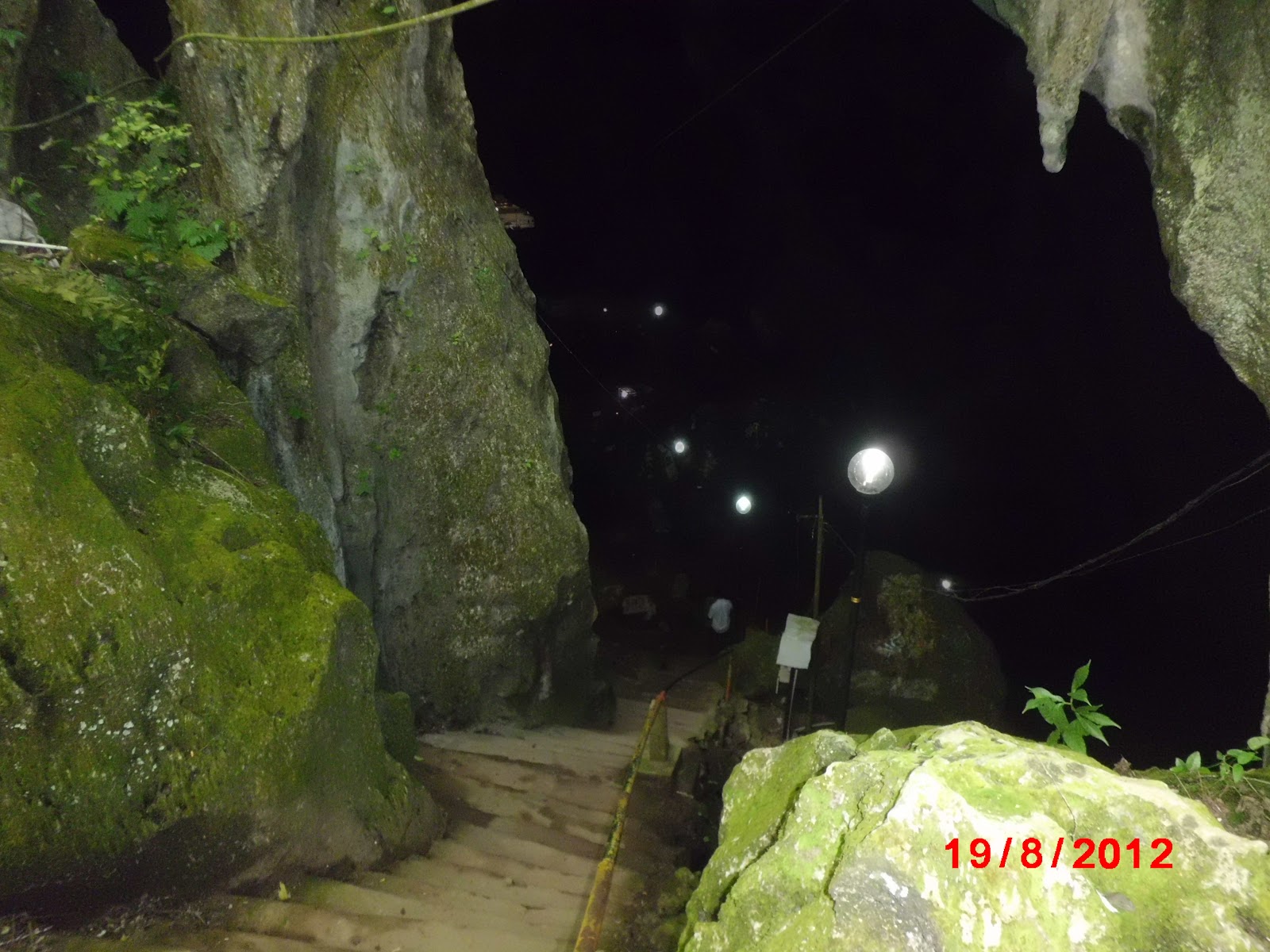
ဂူအ၀င္၀
 

ဆင္ ႏွင့္ ေမ်ာက္ ၏ ဆည္းကပ္မွု႔ ကိုခံယူေန ပုံရုပ္ပြားေတာ္ တစ္ဆူ


  မူလ သာသနာျပဳ ထိုင္းရဟန္းေတာ္ အလွဴမွတ္တမ္း

ေက်ာက္ ငါး ေလလား


၀င္ေၾကး ၂ ရင္းဂစ္ေပး ၿပီး မတ္ေစာက္လွတဲ့ ေက်ာက္ေတာင္မွာ တပ္ဆင္ထားတဲ့ သံေလွကား ႏွစ္ဆင့္ ကို တက္ၿပီး ေက်ာက္သား ေလွကား အတိုင္း အနည္းငယ္ ထပ္တက္တာနဲ႔ ဂူ၀ကို ေရာက္ပါတယ္။ ဂူအ၀င္၀မွာ ကတည္း Caving လုပ္ရင္ခံစားရေလ့ရွိတဲ့ ေအးစိမ့္စိမ့္ စိုစြတ္စြတ္ အထိအေတြ႔၊ ေအာက္သက္သက္ အနံ႔၊ လင္းႏို႔ ေတြ အုပ္စုလိုက္ လွဳပ္ရွားသံ ေတြ ကို စတင္ခံစား ရေတာ့ တာပါပဲ။ ဂူ အ၀က ေန အတြင္းပိုင္း ကို ဆက္သြယ္ ထားတဲ့ မီးလိုင္း ေတြ ရွိၿပီး ေလွ်ာက္လမ္း တေလွ်ာက္မွာ လွ်ပ္စစ္မီးေတြ သြယ္တန္း ထြန္းညွိထား ေပမယ့္ ဂူထဲ မွာ ေမွာင္မည္း ေနၿပီး ထြန္းထားတဲ့ မီးေရာင္ ေတြက လဲ အေရာင္ ေတြ ျပန္႔ ၿပီး အရာ၀တၳဳ ေတြကိုသဲသဲကြဲ ကြဲ ျမင္ရ ေလာက္ေအာင္ လင္းမေနပါဘူး။ ဂူအ၀ ကေန အနည္းငယ္ ဆင္းသြား လိုက္တာနဲ႔ အႏၵိယ အမ်ိဳးသား တစ္ေယာက္ ေက်ာက္ျဖစ္ေနတယ္ ဆိုတဲ့ ေျမြ ဆိုၿပီး လာလည္သူ အိႏၵိယအဖြဲ႔ ေတြကို တမီလ္လို ရွင္းျပေနပါတယ္။ စပ္စုခ်င္ေပမယ့္ တေယာက္တေပါက္ေမးေနတဲ့ တမီလ္ေတြ ၾကားမွာ ဘယ္လိုမွ ကိုယ့္အတြက္ အလွည့္ ေရာက္မလာနိုင္ဘူး ဆိုတာ သိရလို႔ ေရွ႕ ကို ပဲဆက္ သြားၾကည့္ ရမွာ ေက်ာက္ျဖစ္သြားတဲ့ ငါး ဆိုၿပီး သံဇကာ ကာထားၿပီး အလွဴခံ ေနတဲ့ အိႏၵယ အမ်ိဳးသမီး တစ္ေယာက္ ကိုေတြ႔ ရပါတယ္။ သူရွင္းျပတဲ့ ေက်ာက္ငါး အေၾကာင္းထက္ ခ်ပါတီ ကို ဒလိမ့္တုံး နဲ႔ လွိမ့္ေနသလို တမီလ္သံ ၉၉ ရာခိုင္ႏွုံး နဲ႔ မေလးစကား ကို ဘယ္လိုမွ နားမလည္ လို႔ အျမန္စကား ျဖတ္ၿပီး ေျပးရပါေတာ့တယ္။

အဲဒီေနာက္မွာ ဆင္နဲ႔ ေမ်ာက္က ဖူးေျမာ္ေနပုံ ထိုင္ရက္ ရုပ္ပြားေတာ္တစ္ဆူ ကို ေတြ႔ ရၿပီး နံရံ အျမင့္ပိုင္းေတြမွာ တရုတ္၊ မေလး၊ တမီလ္၊ ဟင္ဒီ ဘာသာေတြနဲ႔ အျပင္ ထိုင္းလို စာေတြ ေရးထား တာေတြရေပမယ့္ ဘာအေၾကာင္းအရာ၊ ဘာအဓိပၸါယ္ ဆိုတာကိုေတာ့ နားမလည္လို႔ မသိခဲ့ရပါဘူး။ ဂူအတြင္းပိုင္း အလည္ေလာက္မွာ သွ်ီ၀လဂၤ (Shiva Lingam) နဲ႔ ဟိႏၵဴ နတ္ဘုရားေက်ာင္း ေဆာင္ တစ္ခု ကို စတီး ပိုက္ေတြ ေၾကြျပား ေတြနဲ႔ အခိုင္အမာ ေဆာက္ထားတာ ေတြ႔ ရပါတယ္။ အဲဒီဘုရားေက်ာင္း ကိုေစာင့္ ေရွာက္တဲ့ ပုဏၰား တစ္ေယာက္ ကိုလဲ ဘုရားဖူးေတြ ၾကားထဲမွာ ေခါင္းတခါခါ လည္တရမ္းရမ္း လုပ္ေနတာ လွမ္းေတြ႔ ရပါတယ္။ ဂူ အတြင္းဖက္ဆုံး အပိုင္း ကို လမ္းညႊန္ ဆိုင္းဘုတ္ေတြ နဲ႔ ျပထား ၿပီး ေလ်ာင္း ေတာမူဘုရား တစ္ဆူကို ခပ္မွိန္မွိန္ အလင္းေရာင္ ေအာက္မွာ ဖူးေတြ႔ ရပါတယ္။


ေလ်ာင္းေတာ္မူ (လမ္းညႊန္ ဆိုင္းဘုတ္ေတြမွာ Sleeping Buddha လုိ႔ေရးထားပါတယ္။ အမွန္က Reclining Buddha ျဖစ္သင့္တာပါ)။

ဘုရားဖူး ေဒသခံ ေတြ နဲ႔ ျပတ္ေလ့ ရွိပုံ မေပၚေပမယ့္ ဂူအတြင္းထဲ က ဗုဒၶရုပ္ပြားေတာ္ေတြ ရဲ႕ ပန္းတေမာ့ လက္ရာ ကေတာ့ ေတာ္ေတာ္ညံ့ တယ္လို႔ ပဲ ပြင့္ပြင့္လင္းလင္း ေ၀ဖန္ရင္ ေတာ့ ျငင္းမယ့္ သူရွိမယ္ မထင္ဘူး။ ထုံးေက်ာက္ ဂူ ေတြမွာ ေတြ႔ ရေလ႔ ရွိတဲ့ ေက်ာက္ စက္ပန္းဆြဲ၊ေက်ာက္ စက္မိုးေမွ်ာ္၊ ေက်ာက္စက္ တိုင္ စတာ ေတြကို ေနရာ အႏွံ လိုလို ေတြ႔ ရပါတယ္။ သဘာ၀ရဲ႕ လွပဆန္း က်ယ္မွဳ႔ ကို အေကာင္းစား ကင္မရာ ေတြနဲ႔ မွတ္တမ္းတင္ ရိုက္ကူး ေနတာ လဲ ေတြ႔ ခဲ့ရပါတယ္။ က်ေနာ္ လဲ အားက်မခံ ပုံ အနည္းငယ္ ရိုက္လာခဲ့ ေပမယ့္ ဘာပုံ မွန္း သဲသဲ ကြဲကဲြ မေပၚေအာင္ ေကာင္းလြန္းလို႔ စိတ္မေကာင္း စြာပဲ ဖ်က္ ျပစ္လိုက္ရပါတယ္။


ဂူမႀကီး ရဲ႕ အျပင္ကို ထြက္လာၿပီး ၿခံဳႏြယ္ေတြနဲ႔ ပိတ္ေနတဲ့ လူသြားလမ္း ေလးအတိုင္း ထပ္တက္ၾကည့္ တဲ့ အခါမွာ ဒုတိယ ဆင့္ ဂူ ကိုထပ္ေတြ႔ ရပါတယ္။ အဲဒီဂူ ကေတာ့ ပန္ခ်င္း ေတာင္ရဲ႕ ထိပ္ပိုင္း မွာပါ။ ေတာင္ထိပ္ပိုင္း ကို တိုးလွ်ိဳ ေပါက္ သလိုမ်ိဳး ျဖစ္ေနတဲ့ အတြက္ အလင္းေရာင္ ေကာင္းစြာ ရရွိၿပီး အတြင္းပိုင္း ကို ရွင္းရွင္းလင္း လင္း ျမင္ရပါတယ္။ ေလေကာင္းေလသန္႔ ရတဲ့ အျပင္ ေတာင္ထိပ္ပိုင္း က လွမ္းျမင္ရတဲ့ ရွုခင္း ကလဲ အေမာေျပေစပါတယ္။ ေတာင္ထိပ္ပိုင္း က သစ္ပင္ၿခံဳႏြယ္ ေတြထူထပ္စြာ ျဖစ္ေပၚ ေနတဲ့ အပိုင္း က ငွက္ တစ္ေကာင္ရဲ႕ ေအာ္ျမည္သံ ကို မၾကာခဏ ၾကားရလို႔ သြားၾကည့္ ရမွာ ဆင္ေျခေလွ်ာ က အရမ္း မတ္ေဆာက္လြန္း ၿပီး လူသြား လို႔ ရတဲ့ လမ္း မေပါက္တာ ေၾကာင့္ ဆက္မသြား ႏိုင္ခဲ့ ပါဘူး။ က်ေနာ့္ အထင္ ေတာ့ မေလးေဒသခံ ရစ္ငွက္ တစ္မ်ိဳး (Malayan Greater Argus) ျဖစ္လိမ့္ မယ္လို႔ ယုံၾကည္ပါတယ္။ ဒါေပမယ့္ အေကာင္ ကို မေတြ႔ ခဲ့ ရလို႔ အတိအက် ေတာ့ မေျပာ ႏိုင္ေပဘူး။


ေတာင္ထိပ္မွာ ဟိုး အေ၀းက စီစီရီရီ ျမင္ေနရတဲ့ ဆီအုန္းပင္ေတြ ကိုလွမ္းေငး ၿပီး စီးကရက္ တစ္လိပ္နဲ႔ ခဏ အနားယူ ပါတယ္။ ေတာင္ေအာက္ ကို ျပန္ဆင္းၿပီးကြာလာ လမ္ပူ ကိုဦးတည္ ကာ ျပန္လာခဲ့ ၿပီး အေရွ႕ ဘက္ ကမ္းရိုးတန္း ခရီးစဥ္ ကို အဆုံးသတ္လိုက္ပါတယ္။                  ။


Information Plaque by Tourism Malaysia


ဆက္ဖတ္ၾကည္႔မယ္...

Monday, January 23, 2012

ကိုမိုဒို ဖြတ္နဂါးႀကီးမ်ား ရာဇ၀င္


ဖြတ္နဂါးႀကီး ေတြအေၾကာင္း နဲ႕ ဆက္စပ္ ပါတ္သက္သမွ်အားလုံးလိုလို ဟာ စိတ္၀င္စားဖြယ္၊ ထိတ္လန္႕ ေၾကာက္မက္ဖြယ္၊ အူလွုိက္ အသည္းတုန္ ရြံရွာ ဆက္ဆုပ္ဖြယ္ ရာမ်ားခ်ည္း ျဖစ္ပါတယ္။ ရက္စက္ ၾကမ္းၾကဳပ္တဲ့ ဟန္ပန္အမူအယာ မ်ားနဲ႕ ေၾကာက္မက္ရြံရွာဖြယ္ သြင္ျပင္လကၡဏာမ်ားရွင္ ဖြတ္နဂါးႀကီး ေတြဟာ ဒ႑ာရီ ပုံျပင္ ေတြထဲမွာ ပါေလ့ရွိတဲ့ နဂါးႀကီးေတြ လို အစိမ္းေရာင္သန္းေနတဲ့ မြဲညစ္ညစ္ ညိဳမည္းမည္း အေၾကးခြံထူထူ ဖုံးလႊမ္းထားတဲ့ ခႏၶာကိုယ္၊ ႏွာေခါင္းေပါက္ က်ယ္က်ယ္၊ သြားရည္ တျမားျမား ျဖစ္ေနတဲ့ ပါးစပ္ေပါက္ထဲက ခၽြန္ျမျမ သြား ေတြ ရဲ႕ ၾကားက လွ်ာ ႏွစ္ခြ ထြက္ေနပုံ ဟာ ရုတ္တရက္ မီးလွ်ံ ေတြ ထြက္က်မလာ ႏိုင္တာ သိ ေပမယ့္လဲ စိုးရိမ္ထိတ္လန္႕ မွုူ႕ ကို ေတာ့ျဖင့္ မေလ်ာ့က် ေစပါဘူး။

အမွန္တကယ္ေတာ့ အႏွီ ရက္စက္ၾကမ္းၾကဳပ္တဲ့ သတၱ၀ါႀကီး ေတြဟာ ကမာၻ႕ အႀကီးဆုံး ဖြတ္ႀကီး ေတြျဖစ္ၿပီး အင္ဒိုးနီးရွား ႏိုင္ငံ ကိုမိုဒို (Komodo)၊ ရင္ကာ (Rinca)၊ ပါဒါ (Pada) နဲ႕ ကိုမိုဒိုကၽြန္း အနီးနားတ၀ိုက္က ကၽြန္း ကေလးေတြေပၚမွာ ေနထိုင္က်က္စားပါတယ္။ ကိုမိုဒိုဖြတ္နဂါး ေတြဟာ သားေကာင္း ေတြကို အမဲလိုက္ၿပီး အရွင္လတ္လတ္ ကိုက္ျဖတ္ ဆုတ္ၿဖဲစား သလို၊ အေကာင္အေသေတြကိုလဲ ၿမိန္ေရယွက္ေရ စားပါေသးတယ္။ ေနာက္တစ္ခ်က္ကေတာ့ ႀကီးႏိုင္ငယ္ညွင္း ပုံစံ မ်ိဳး ဇာတ္တူသားလဲ စားပါတယ္။ သူတို႔ ဘာေတြစားတယ္ ဆိုတာ အတိအက် စာရင္းလိုက္ေကာက္လို႔ မရ ႏိုင္ေပမယ့္ အနည္းဆုံး ဆယ္ရာခိုင္ ႏွုံးက ျဖင့္ ဇာတ္တူသား တျခားဖြတ္ ေတြကို စားတယ္လို႔ ဆိုပါတယ္။


သူတို႔ ဟာ ျဖဳန္းကနဲ ကမူးရွုးတိုး ပုံစံ မ်ိဳး အလွ်င္အျမန္ ေျပးႏိုင္ သလို ေရကူးကလဲ ေတာ္ျပန္ပါေသးတယ္။ သူတို႔ ထက္ ပိုျမန္တဲ့၊ ပိုသန္မာတဲ့ ကၽြဲလို ႏြားလို သားေကာင္ေတြကို ေတာင္တစ္ခ်က္ အမိအရ ကိုက္လိုက္ျခင္း အားျဖင့္ သူတို႔ ပါးစပ္ က တေတာက္ေတာက္ က်ေနတဲ့ သြားရည္ ေတြထဲ က ဘက္တီးရီးယား မ်ိဳးစုံ ေၾကာင့္ တျဖည္းျဖည္း ေႏွးေကြး ေလးလံ ၿပီး ဆက္မသြားႏိုင္ေတာ့ ပဲ ခႏၶာကိုယ္ အစိပ္အပိုင္းေတြကို ရက္ရက္စက္စက္ ကိုက္ျဖတ္ ဆုတ္ဖဲ့ စားျခင္း ကို အရွင္လတ္လတ္ ခံရ ပါတယ္။ အကိုက္ခံ လိုက္ရတဲ့ သားေကာင္ ေနာက္ ကို သူတို႔ ရဲ႕ ထူးျခား လွတဲ့ အနံ႔ ခံ အာရုံ အျပင္ ျပဴတစ္ျပဴတစ္ ထြက္ ေနတဲ့ လွ်ာ ႀကီး ႏွစ္ခြ နဲ႔ ေျခရာခံၿပီး ေသအံ့မူးမူး ျဖစ္ ေနတဲ့ သားေကာင္ ကို ကိုက္ဖဲ့ ၿပီး စားပါတယ္။

ဖြတ္နဂါးႀကီးေတြ ဟာ အသက္ ငါးႏွစ္က ဆယ္ႏွစ္ အတြင္း မွာ အရြယ္ေရာက္ ၿပီး မိတ္လိုက္ ႏိုင္ၾကၿပီး မွတ္တမ္းမ်ား အဆိုအရ အသက္ ငါးဆယ္ ေက်ာ္ အထိရွင္သန္ ေနထိုင္ပါတယ္။ မိခင္ ဖြတ္နဂါးမႀကီး က ဥဥ ဖို႔ အသိုက္ေဆာက္လုပ္ၿပီး တခါဥ ရင္ ဥေပါင္း သုံးဆယ္ေက်ာ္ ဥေလ့ ရွိပါတယ္။ ဖြတ္နဂါး ေပါက္ကေလး ေတြ ဥခြံ ထဲက ကိုယ့္ဖာသာ ေဖာက္ထြက္ ႏိုင္ဖို႔ ကိုးလ ေလာက္ ၾကာတတ္ပါတယ္။ အေကာင္ေပါက္ ကေလးေတြဟာ ဥက ေဖာက္ ထြက္ ႏိုင္တာ နဲ႔ ခ်က္ခ်င္း နီးစပ္ရာ အပင္ႀကီး ေပၚေတြကိ ေျပးတက္ၾကရပါတယ္။ ဒါမွသာ တျခား အရြယ္ေရာက္ၿပီး ဖြတ္နဂါးႀကီးေတြ ရဲ႕ အစာ ျဖစ္က လြတ္ကင္း မွာ ျဖစ္ပါတယ္။ သူတို႔ ေလးေတြဟာ သစ္ပင္ႀကီး ေတြေပၚမွာ ပဲ ကိုယ့္ ကိုယ္ကို ထိန္းေက်ာင္း ႏိုင္တဲ့ ေလးႏွစ္သား အရြယ္ ေလာက္အထိ ေနၾကရပါတယ္။

တကယ္လို႔ သာ ကမာၻ႔ အံ့ဖြယ္ ရွစ္ခုသာ ရွိခဲ့ မယ္ဆိုရင္ အဲဒီရွစ္ခုေျမာက္ ဟာ ကိုမိုဒိုကၽြန္းသာ ျဖစ္ပါလိမ့္ မယ္။ သားရုိင္း တိရိစာၦန္ ေက်းငွက္ မ်ားစြာ ရွိတဲ့ အင္ဒိုနီးရွားရဲ႕ ဧရိယာ အက်ယ္ အ၀န္းဟက္တာေပါင္း ငါးေသာင္းကိုးေထာင္ ရွိတဲ့ အမ်ိဳးသား ဥယ်ာဥ္ႀကီးထဲ က သုံးေထာင္ေက်ာ္ေသာ ကိုမိုဒိုဖြတ္နဂါးႀကီး ေတြ (Komodo Dragons or Varanus Komodoensis) ဟာ ကမာၻဦးက ဒိုင္ႏိုေဆာ မ်ိဳးႏြယ္ ေတြရဲ႕ အႀကီးမားဆုံးေသာ ေနာက္ဆုံး လက္က်ံ မ်ိဳးဆက္ ပဲျဖစ္ပါတယ္။ အကယ္၍ စာဖတ္သူ ဟာ က်ေနာ္ အထက္က ေရးခဲ့ တာေတြကို မယုံ ႏိုင္ဘူး ဆိုရင္လဲ လက္ခံ ပါတယ္။ ဘာလို႔လဲ ဆိုေတာ့ က်ေနာ္ ေျပာတာ နားေထာင္ ဖူးသူ မွန္သမွ် ဟာ မယုံၾကည္တဲ့ မ်က္၀န္း ေတြနဲ႔ က်ေနာ္ ကိုစုိက္ ၾကည့္ ၿပီး ဟုတ္ေကာ ဟုတ္ကဲ့ လား ဆိုတဲ့ ေမးခြန္း ကိုသာ အႀကိမ္ႀကိမ္ ျပန္ေမးတာ ၾကားခဲ့ရဖူးလို႔ ပါ။

ေဒသခံ ေတြဟာ ကိုမိုဒိုနဂါးႀကီး ေတြကို အိုရာ (Ora) လို႔ ေခၚၾကပါတယ္။ အဖိုး၊ ဒါမွမဟုတ္ရင္ အဖြားလို႔ အဓိပၸါယ္ ရၿပီး လူသားစင္စစ္ ကေန ေျပာင္းလဲ ထားတယ္ လို႔ ယုံၾကည္ၾကပါတယ္။ ေဒသခံ ေတြဟာ သူတို႔ရဲ႕ ေျမး ျမစ္ေတြ ျဖစ္လို႔ အႏၱရာယ္ မေပးဖို႔ ေတာင္းပန္ေလ့ရွိပါတယ္။ အဆိုပါ ဖြတ္နဂါးႀကီးေတြဟာ အရွည္ ဆယ္ေပ ကေန ဆယ့္ငါးေပ ခန္႔ အထိ ရွိတတ္ၿပီး ေရွ႕ ေျခကို ေထာက္ၿပီး ေခါင္းေထာင္ လိုက္မယ္ ဆိုရင္ သုံးေလးေပေလာက္ အထိ ျမင့္ ပါတယ္။ အေလးခ်ိန္အားျဖင့္ ေပါင္ တရာ့ငါးဆယ္ ကေန ေပါင္ သုံးရာေလာက္ အထိႀကီးထြား ေလ့ရွိပါတယ္။ အေျပး ျမန္သလို တြင္း အနက္ႀကီးေတြကို လဲ တူးႏိုင္ၾကပါတယ္။ ေရကူး၊ ေရငုတ္ေတာ္ ၿပီး အေကာင္ငယ္ေလး ေတြ ဆိုရင္ သစ္ပင္ အျမင့္ ႀကီး ေတြကိုေပၚပါ တက္ႏိုင္ၾကပါတယ္။

သူတို႔ ရဲ႕ အစာ ေတြဟာ အမ်ားအား ျဖင့္ ဆိတ္၊ သမင္၊ ဒရယ္၊ ျမင္း၊ ေတာကၽြဲ၊ ေတာ၀က္ စသည္ျဖင့္ ကၽြန္းေပၚ မွာရွိတဲ့ ေတာနက္ ထဲ မွာ ရွင္သန္ေနထိုင္ တဲ့ ေတာရိုင္း တရိစာၦန္ေတြ အျပင္ ေဒသခံ ေတြ ေမြးထားတဲ့ ၾကက္၊ဘဲ၊ ဆိတ္၊ကၽြဲ စတာ ေတြကို ပါ လစ္ရင္ လစ္သလို ၀င္ဆြဲေလ့ ရွိပါတယ္။ ဖြတ္နဂါးႀကီးေတြရဲ႕႕ ပိုင္နက္ နယ္ပါယ္ ဟာ ကိုမိုဒို သဘာ၀ဥယ်ာဥ္ လို႔ သတ္မွတ္ထားတဲ့ ကိုမိုဒို၊ ရင္ကာ၊ ပါဒါ နဲ႔ ကိုမိုဒို ကၽြန္း၀န္းက်င္ က ကၽြန္း ကေလး ေတြ တ၀ိုက္ တင္ မကေသးပဲ ဖေလာရက္စ္ (Flores Island) ကၽြန္းတ၀ိုက္မွာ ပါ ခဏခဏ ေတြ႔ရေလ့ ရွိလို႔ အဆုိပါ ေနရာမွာလဲ ေနထိုင္ က်က္စားတယ္ လို႔ မွတ္ယူရမွာ ျဖစ္ပါတယ္။

တကယ္လုိ႔ တစုံတေယာက္ ကေန ကိုမိုဒိုနဂါးႀကီးေတြ ဟာ အႏၱရာယ္ ရွိသလားလို႔ ေမးလာခဲ့ ရင္ အေျဖက ရွိတယ္၊ မရွိဘူး ႏွစ္မ်ိဳး ျဖစ္ေနပါလိမ့္ မယ္။ အေၾကာင္းသိတဲ့ ေဒသခံ ေတြအတြက္အႏၱရာယ္ မရွိႏိုင္ဘူး ဆိုေပမယ့္ တိုးရစ္ လိုမ်ိဳး ခဏတာ လာလည္တဲ့ သူေတြ အတြက္ ကေတာ့ အင္မတန္ အႏၱရာယ္ ႀကီးပါေပတယ္။ ကိုမိုဒို ကၽြန္းေပၚမွာ ေျခရာ လက္ရာ အစအန မက်ံ ေအာင္ ေပ်ာက္ဆုံး သြားခဲ့ ၾကတဲ့ ကံဆိုးသူ တိုးရစ္ ေတြ ရွိခဲ့ ဖူးပါတယ္။ အကယ္၍ အင္ဒိုနီးရွားက ကိုမိုဒို အမ်ိဳးသား ဥယ်ာဥ္ကို လည္ပါတ္ခြင့္ ႀကံဳလာခဲ့မယ္ ဆိုရင္ အမ်ိဳးသားဥယ်ဥ္က ခ်မွတ္ထားတဲ့ လမ္းညႊန္ခ်က္ စည္းကမ္းေတြကို အေလးအနက္ လိုက္နာဖို႔ လိုပါလိမ့္မယ္။ အထူးသျဖင့္ အနီေရာင္ အ၀တ္အစား ေတြကို မ၀တ္မိဖို႔ ပါပဲ။ အကယ္၍ ကိုမိုဒိုဖြတ္နဂါးႀကီးေတြသာ သူတို႔ ရဲ႕ အစာ လို႔ ျမင္သြားၿပီဆိုရင္ ျဖင့္ ရိုင္ဖယ္ ေသနတ္ကိုင္ ရိန္းဂ်ား အေစာင့္ ေတြလဲ လုံၿခံဳေအာင္ ကာကြယ္ေပးဖို႔ တတ္ႏိုင္လိမ့္မယ္ မထင္ဘူး။ ။


ကိုးကား
- ကိုမိုဒို အမ်ိဳးသားဥယ်ာဥ္ ထုတ္စာရြက္စာတမ္းမ်ား
- Paul (Komodo Specialist)
- Flores Tourism
- Wikipedia
- National Geographic Magazine
- ဖေလာရက္စ္ ေဒသခံ လုပ္ေဖာ္ကိုင္ဖက္ မ်ား၏ ေျပာျပခ်က္ မ်ား

Photo credits to:-
- Picture 1 (http://www.infohostel.com/)
- Picture 2 (http://www.komodragonfacts.com/)
- Picture 3 (http://www.komolarges.com/)
- Picture 4 (image.google.com)


ဒုတိယပိုင္း ေဖ်ာက္ထားမည္႕စာ

ဆက္ဖတ္ၾကည္႔မယ္...

Sunday, May 8, 2011

ေျမပုံေပၚက မ်ဥ္းေၾကာင္းကေလး


မေလးရွားနဲ႕ အင္ဒိုနီးရွားကၽြန္းစု အတြင္းက ဇီ၀မ်ိဳးစုံမ်ိဳးကြဲေတြ အေၾကာင္းပဲ ျဖစ္ျဖစ္၊ ရုကၡေဗဒဆိုင္ရာ ပဲျဖစ္ျဖစ္၊ ဆင့္ကဲျဖစ္စဥ္ ဆိုင္ရာ သီ၀ရီ ေတြပါတဲ့ ဘယ္စာအုပ္ ကို မဆို ေကာက္ကိုင္လုိက္ရင္ အဲလ္ဖရက္ရပ္ဆဲလ္ေ၀ါေလ့စ္ (Alfred Russel Wallace) နဲ႕ သူ႕ရဲ႕ "မ်ဥ္းေၾကာင္းကေလး" ကုိသြားသြားရည္ ညႊန္းတတ္တာ ေတြ႕ရတယ္။

က်ေနာ္တို႕ အားလုံး ခ်ားလ္ဒါ၀င္ (Charles Darwin) နဲ႕ သူ႕ရဲ႕ "သက္ရွိအစ" (Origin of Species) ဆိုတဲ့ စာအုပ္ထဲ က "သက္ရိွႏွင့္ အပင္တို႔ ၏တေရြ႕ေရြ႕ေျပာင္းလဲမွုျဖစ္စဥ္" သီ၀ရီ ကို ဖတ္ဖူး ၾကားဖူးၾကတယ္။ ဒါေပမယ့္ အဲဒီသီ၀ရီ ကိုပူးတြဲ ေဖာ္ထုတ္ခဲ့တဲ့ အဲလ္ဖရက္ရပ္ဆဲလ္ေ၀ါေလ့စ္ ကိုေတာ့ သဘာ၀ပါတ္၀န္းက်င္ ေလ့လာေရးသမားစစ္စစ္ အနည္းအက်ဥ္း ေလာက္ကလြဲလို႕ သိပ္သိ ၾကမယ္မထင္ဘူး။ သူ႕ရဲ႕ အထူး စိတ္၀င္စားရာ နယ္ပယ္က ကမာၻ႔ အပင္ႏွင့္ သက္ရွိ တို႕၏ ျဖန္႕ၾကက္ ပ်ံ႕ႏွံ႔ ပုံ ကိုသုေတသနလုပ္ျခင္းပဲ။ သူ႕ရဲ႕ သီ၀ရီ ေတြအတြက္ အဓိကက်တဲ့ ေတြ႕ရွိခ်က္ေတြ ကို အင္ဒိုနီးရွားကၽြန္းစု ေတြမွာ လုပ္ရင္းေတြ႕လာရတာျဖစ္ပါတယ္။ အတိအက် ဆိုရရင္ ဘာလီ (Bali) နဲ႕ လြန္ဘြတ္ (Lombok) ကၽြန္း ႏွစ္ကၽြန္းမွာ လုပ္ခဲ့တာပါ။

အဲလ္ဖရက္ရပ္ဆယ္လ္ေ၀ါေလ့စ္ (၁၈၂၃ - ၁၉၁၃)
ေ၀ါေလ့ဟာ ကမာၻႀကီးကို ပထ၀ီသြင္ျပင္လကၡဏာ နဲ႕ ရာသီဥတု အေပၚလိုက္ၿပီး အပိုင္း ေျခာက္ပိုင္းခြဲ ၿပီး ျမင္တယ္။ အဲဒီ ကြဲျပားတဲ့ ပထ၀ီသြင္ျပင္လကၡဏာ ေတြနဲ႕ ရာသီဥတု ေတြေၾကာင့္ပဲ မတူတဲ့ တိရိစာၦန္ နဲ႕ အပင္ ဇီ၀အုပ္စု ေတြ ျဖစ္ေပၚေစတာပါပဲ။ ၾသစေတးလ်ား နဲ႕ အေရွ႕ေတာင္အာရွ ဆက္စပ္ေနတဲ့ ေနရာေတြ မွာ သူရဲ႕ အျမင္ကို ပိုထင္ရွားေပၚလြင္ေစတဲ့ သာဓကေတြ ေတြ႕လာရတယ္။

အဲဒီမွာ သူ႕ရဲ႕ နာမည္ေက်ာ္ မ်ဥ္းေၾကာင္းကေလး ကေလးကိုဆြဲေတာ့ တာပဲ။ ယေန႕ေခတ္မွာ "ေ၀ါေလ့စ္ရဲ႕မ်ဥ္းေၾကာင္းကေလး (Wallace's Line)" လို႕ထင္ရွားလာမယ့္ မ်ဥ္းေၾကာင္းကေလး ဟာ ဖိလစ္ပိုင္ကၽြန္းစု ရဲ႕အေရွ႕ေတာင္ဘက္ပိုင္း ကေနၿပီးေတာ့ စဆဲြလာလိုက္တာ အင္ဒိုနီးရွား မင္ဒါေနာင္ (Mindanau) နဲ႕ ဆန္ဂီေဟ (Sangihe) ကၽြန္းႏွစ္ကၽြန္းၾကား ကေနျဖတ္ၿပီးေတာ့ ေတာင္ဘက္ ကလီမင္တန္ (Kalimantan - ေဘာ္နီယိုကၽြန္း လို႕လူသိမ်ား) နဲ႕ဆူလာ၀ဆီ (Sulawasi) ကၽြန္း ႏွစ္ကၽြန္း ၾကားကေန ဘာလီ နဲ႕ လြန္ဘြတ္ ကိုျဖာထြက္ ၿပီး အိႏိၵယသမုဒၵရာ အတြင္းကို ဆြဲထြက္သြားပါတယ္။

ေ၀ါေလ့စ္ရဲ႕ မ်ဥ္းေၾကာင္းကေလး ဟာ အေရွ႕ေတာင္အာရွ အီေကြတာ ရပ္၀န္း အပူပိုင္း ဇုံ က စတင္ၿပီး ၾသစေတးလ်ဘက္ ကို ကုန္းေျမ၊ အပင္ေတြ နဲ႕ဇီ၀သားငွက္ တိရိစာၦန္ ေတြ ဆက္စပ္ေျပာင္း လဲတဲ့ ေနရာနဲ႕ တေရြ႕ေရြ႕ဆင့္ကဲေျပာင္းလဲလာတဲ့ ေနရာေဒသ ေတြရဲ႕ဗဟုိခ်က္မ ေတြကို အမွတ္အသား ျပဳပါတယ္။

ေ၀ါေလ့စ္ ဟာသူ႕ရဲ႕အလြန္ အေရးပါတဲ့ စာအုပ္ျဖစ္တဲ့ (Malay Archipelagos, Land of Orang Utan and the Paradise of Birds, A Narrative of Travel with Studies of Man and Nature: 1868, Macmillan and Co., London) မွာ ဘယ္လိုေရးထားလဲ ဆိုေတာ့ "အင္ဒိုနီးရွားကၽြန္းစု ရဲ႕ အပိုင္း ႏွစ္ပိုင္း ယွဥ္ၾကည့္လိုက္ တဲ့အခါမွာ အင္မတန္ကြာျခားတဲ့ အခ်က္က ရုတ္ျခည္း သိသိသာသာ ေျပာင္းလဲသြားတဲ့ အေျခအေန ေတြကို ပထ၀ီ၀င္ အရ အင္မတန္ နီးကပ္တဲ့ ဘာလီနဲ႕ လြန္ဘြတ္ကၽြန္း ေတြမွာထင္ထင္ရွားရွားေတြ႕ႏိုင္တယ္"။ ဘာလီမွာ ဆိုရင္ ဂါဘယ္ (Garble)၊ ေျမလူးငွက္ (Fruit Thrush) နဲ႕ သစ္ေတာက္ငွက္ (Woodpecker) တို႕ကိုေတြ႕ ႏိုင္ေပမယ့္ လြန္ဘြတ္ကၽြန္း မွာ မေတြ႕ႏိုင္ေတာ့ပါဘူး။ ဒါေပမယ့္ လြန္ဘြတ္မွာ ေပါျခင္းေသာျခင္း ေတြ႕ႏိုင္တဲ့ ကတၱ၀ါ (Cockatoo )၊ ပ်ားရည္စုပ္ငွက္ (Honeysucker) နဲ႕ အၿမီးပြၾကက္ဆင္ (Brush-turkey) တို႕ကို ဘာလီနဲ႕ အေနာက္ပိုင္းကၽြန္းမ်ား တေလ်ာက္မွာ မေတြ႕ရပါဘူး။ ေရလက္ၾကားဟာ ဆယ့္ငါးမိုင္ဘဲကြား ျခားၿပီး ႏွစ္နာရီခရီး မွ်သာရွိပါတယ္ ဒါေပမယ့္ ကမာၻႀကီးရဲ႕ အပိုင္းႏွစ္ပိုင္း ဟာ ဥေရာပနဲ႕ အေမရိက လိုကြာျခားသြားပါၿပီ။

အဲဒီမ်ဥ္းကေလးရဲ႕ တဖက္ နဲ႕ တျခားတဖက္တို႕ဟာ လုံး၀ဥသုံ ကြားျခားပါတယ္။ ဒါဟာတကယ့္ အမွန္တရားပဲ ျဖစ္ပါတယ္။ ေျပာရမယ္ဆိုရင္ ဘာလီနဲ႕ လြန္ဘြတ္ ဟာ ကီလိုမီတာ ႏွစ္ဆယ္ မဲ့မဲ့မွ်သာ ရွိေပမယ့္ တစ္ကၽြန္း နဲ႕ တကၽြန္း သားငွက္တိရိစာၦန္ေတြ ဘယ္တုန္းကမွ ကူးလူးသြားလာ ဖို႕မတတ္စြမ္းခဲ့ၾကပါဘူး။ ေ၀ါ့ေလ့စ္ ရွင္းျပထားတာက ဘာလီနဲ႕ ဂ်ာဗားကၽြန္းမႀကီး ၾကားက ေရလက္ၾကားဟာ မီတာ ႏွစ္ရာ အနက္သာရွိေပမယ့္၊ ဘာလီ နဲ႕ လြန္ဘြတ္ၾကားက ေရလက္ၾကားကေတာ့ မီတာႏွစ္ရာ ကေန မီတာသံုးေထာင္ အထိ ရွိလို႕ပါတဲ့။

အနီးဆုံး ေရခဲေခတ္ကာလက ေရထုဟာ ေရခဲျပင္ေအာက္မွာ ပိတ္မိေနၿပီး ပင္လယ္ေရမ်က္ႏွာျပင္ ဟာ ယခုအေျခအေနထက္ မီတာတစ္ရာ့ရွစ္ဆယ္မွ်နိမ့္က် ေနခဲ့ပါတယ္။ နိမ့္က်ေနတဲ့ ပင္လယ္ ေရမ်က္ႏွာျပင္ေၾကာင့္ မေလးရွား၊ စုမၾတား၊ ဂ်ာဗား နဲ႕ ဘာလီ ဟာေျခာက္ေသြတဲ့ ကုန္းေျမတဆက္တည္း အျဖစ္ ရွိေနခဲ့ပါတယ္။ သို႕ေပမင့္ ၾသစေတးလ်ား၊ နယူးဂိနိ နဲ႕ နီးစပ္ရာ လြန္ဘြတ္ အပါအ၀င္ကၽြန္းေတြ က်ေတာ့ ကုန္းေျမမႀကီး အျဖစ္ တဆက္တစပ္တည္းျဖစ္ ေနခဲ့ပါတယ္။ ဘာလီ နဲ႕ လြန္ဘြတ္ၾကားက နက္ရွုိင္းတ့ဲ ေရေျမာင္း ႀကီးဟာ အဓိကအပိုင္းအျခား အျဖစ္ ျဖစ္တည္ခဲ့တာပါ။ အဲဒီေရေျမာင္းႀကီးဟာ နက္ရွုိင္းရုံသာမကပဲ အင္မတန္လဲ ေရစီးသန္လွပါတယ္။ ဒုတိယကမာၻစစ္ အတြင္းက ၾသစေတးလ် က ေန စကၤာပူကို ခ်ီတက္ ခုတ္ေမာင္း လာတဲ့ ေရငုတ္သေဘၤာ ႀကီးဟာ ေရစီးေၾကာင္း အတြင္း မွာ ၁၀ နာရီေလာက္ တစက္ကေလး မွ မေရြ႕ လို႕ တိုက္ပြဲ ပုံစံ အသည္းအသန္ ထိုးေဖာက္ထြက္ခဲ့ရတာ ရွိပါတယ္။

အဲဒီေနရာက စၿပီး ပထမဆုံးေတြ႕ရမယ့္ ေပၚလီနီးရွန္း ကၽြန္းေတြ နဲ႕ ကီလိုမီတာ ေထာင္ခ်ီၿပီး အေရွ႕ယြန္းယြန္း ကို ဆက္သြားမယ္ဆိုရင္ ေတာေတာင္သစ္ပင္ေတြဟာ မိုးသစ္ေတာ ေတြလိုမဟုတ္ေတာ့ပဲ ညိဳ ေမာင္းေမာင္း အေရာင္ေတြ အျဖစ္ ေတြ႕လာရပါမယ္။ ၿခံဳပုတ္ တခုကေန တခုကို ခုံေက်ာ္ထြက္လာတတတ္တဲ့ သားပိုက္ေကာင္ေတြ ကို ေတြ႕ခ်င္မွ ေတြ႕ရမွာ ျဖစ္ေပမယ့္ ဟိုဘက္အျခမ္းမွာ လုံး၀မရွိတဲ့ သက္ရွိသတၱ၀ါ အသစ္ေတြ ျဖစ္တဲ့ ေတာဘဲရုိင္းေတြ၊ ေတာ၀က္ႀကီးေတြ၊ ပုရြက္ဆိတ္စား ေကာင္ေတြ၊ အ၀ါေရာင္အေမာက္နဲ႕ ကတၱ၀ါငွက္ေတြ၊ ခ်ဥ္ေပါင္ဖူးေရာင္ ၾကက္ေတာ ေတြ နဲ႕ ကိုမိုဒိုကၽြန္း (Komodo) မွာဆိုရင္ ေတာ့ အင္မတန္ႀကီးမားတဲ့ ဖြတ္နဂါး ႀကီးေတြ ကိုပါေတြ႕လာရမွာ ျဖစ္ပါတယ္။


တကယ္ေတာ့ ေ၀ါေလ့စ္ရဲ႕ မ်ဥ္းေၾကာင္းကေလးဟာ ကမာၻ႔ေျမပုံေပၚမွာ ႏွစ္ေပါင္းမ်ားစြာ မထင္မရွားျဖစ္ေနတဲ့ လြန္ဘြတ္ကၽြန္း ကို ကမာၻေလာက ႀကီးရွိ သက္ရွိ ေတြနဲ႕ အပင္ တို႕ရဲ႕ ဆင့္ကဲျဖစ္စဥ္ သီ၀ရီ ေတြ ကိုအေျချပဳ ၿပီး ထာ၀ရဆက္သြယ္ ေပါင္းကူး ေပးတဲ့ ေနရာတခု အျဖစ္ အၿမဲေလ့လာ ရမည့္ ေနရာ သေဘာမ်ိဳး သတ္မွတ္ေပးလိုက္ သလိုပင္။

Ref:
- Wikipidia
- Britannica Online Encyclopedia
- Where World's Collide, Wallace Line by Penny van Oosterzee (Corne Cornell University Press)


Photo:
- http://www.fredlangfordedwards.com/ar_wallace/ar_wallace_malay_archipelago.htm
- http://www.libraries.uc.edu/libraries/arb/exhibits/darwin/wallace_visit.html
- http://justwallpaperdownload.blogspot.com/2011/04/malaysia-rainforest.html
- http://animals.howstuffworks.com/animal-facts/komodo-bite.htm

ဆက္ဖတ္ၾကည္႔မယ္...

Thursday, December 9, 2010

Home Stay in Myanmar

First of all, I do apologize as the theme of this post would not probably match with the title. Perhaps you may expect available homestay arrangements or all about homestay in Myanmar actually it is NOT for the moment. I have just chatted with a Myanmar offshore tour operator about said matter especially the possibilities, advantages and disadvantages of doing homestay in Myanmar. In fact, I used to discussed with many people from various destinations and various destinations of Myanmar Tourism Industry.

We expected that would be developed sooner in the future but it was a few years ago and now I am wondering why it is still not in our list of products.

The Definition

“Homestay is a form of tourism and/or study abroad program that allows visitors to rent a room from a local family to better learn the local lifestyle as well as improve their language ability.[1] While homestays can occur in any destination worldwide, some countries do more to encourage homestay than others as a means of developing their tourism industry.”

Wikipedia (the free online encyclopedia)

However, it can go a bit further and wider in an aspect of tourism industry in a particular nation. There are many reasons to develop homestay and why it should be. Some of our neighboring countries have opened up their home doors to foreign guest to have a genuine taste of their tradition and lifestyle. And of course, experiencing a homestay in a traditional village is logically one of the fastest and easiest ways to get studied what “real life” like the country is. It can be a village in typical Myanmar village in the central part of Myanmar or a village in Mt. Vitoria area; perhaps it can be in a village around Mon or Karan State. In fact, it can be anywhere in Myanmar even in a suburb area of Yangon; somewhere like Mingalardon or North Okkalapa.

There is no doubt “Myanmar is the richest country in terms of many factors”. Myanmar is rich in natural resources; Myanmar is rich in cultural heritages, Myanmar is rich in …. We can always proud on that. The hundred over ethnic groups have their own tradition, belief and customaries. There are always thousands of things to study and learn from them. The visitor can study and experience the broad spectrum of a village life.

The possible chances to learn from a host village:

  • The geographic study of a host village
  • General daily lifestyle
  • Traditional costumes & artifacts
  • Occupational works (method, articles, traditional ideas etc)
  • Farming (method, articles, traditional ideas etc)
  • Home-cooking lessons (main foods and delicacies)
  • Traditional Games (indoor and outdoor games and related toys
  • Traditional Arts (cultural dance, songs and instruments)
  • Language (Dialects)
  • Festive activities
  • Ceremonies (Religious ceremonies, weddings, funerals etc)
  • Ways of thinking, philosophy and ideology
  • Dos and Don’ts/taboos
  • Others

There are also a number of benefits of Homestay which comes under Tourism. On very large scale it offers an alternative to some destructive industries for generating income both nationally and individually. It can surely create jobs in many different areas.

Possible Advantages of Homestay:

  • Develop job opportunities
  • Opportunity for economic and educational growth
  • Opportunity to experience other cultures (which broadens understanding)
  • Improving infrastructure (road, bridge, hospital, etc)

If the Homestay is properly developed, the generated income can be tremendously beneficial to the nation and her local communities. The income can be used on the region to improve infrastructures, better education, better health care, for conservational projects, and to promote responsible tourism.

*Note: I am not an academic and merely a tour operator. Therefore if there are mistakes and weakness in this post, please kindly point it out.

Ref:

- Wikipedia (The free encyclopedia)

- Tourism Malaysia

- Notes from Auburn University

ဆက္ဖတ္ၾကည္႔မယ္...

Wednesday, June 30, 2010

Malaysia, Home of the World's Most Diverse Ecosystem

The tropical rainforests in Malaysia were blessed with a location far from the ravages of the earth's ice ages that they developed much earlier than the other equatorial rainforests in Africa and South America. Evolving for over 120 million years, they displayed a much greater diversity and provided shelter for the emergence of mammals as well as birds.

When the earth became drier, the rainforests of Southeast Asia, sheltered by the Himalyan Massif, remained moist. This was followed by the ice ages when sea levels fell dramatically, forming land bridges between mainland and island Southeast Asia, allowing plant and animal migration. As the climate began to warm, this vast genetic storehouse burst forth with the profusion of species that exists today.
Malaysia is also home to the world's richest marine environment, which includes coral atolls, fringing reefs and barrier reefs. Coral reefs are to the sea what tropical rainforests are to the land. Corals require stringent conditions in order to flourish, only existing in warm, shallow seas where sunlight penetrates to about 100m and warm currents flow.


These living organisms form an ecosystem and tightly recycle everything, being virtually self-contained. Although they are found primarily in the tropics, they do not exist throughout tropical seas. It is very difficult to say which is the most complex ecosystem on earth - the coral reefs or the tropical rainforests. Both have no equals. Both are fragile yet boast unparalleled diversity.


Malaysia enjoys the best of both worlds and is truly the ideal destination for the nature lovers. It is not only one of the few countries that is home to these extraordinary ecosystems but also ranks among the very few that provide wide ranging protection in terms of designated parks as well as sanctuaries for these unique living treasures.


Ref:
Courtesy of Tourism Malaysia

Photos:
- Courtesy of Tourism Malaysia
- Carol @ Lankayan Island Resort
- Carol @ Sepilok Nature Resort

ဆက္ဖတ္ၾကည္႔မယ္...

Thursday, September 24, 2009

Naga, the Warriors of the Hills

The Naga Warriors at their New Year Festival

The People

The legendary people, Nagas have being dwelt since hundreds years in Myanmar geographically the northwestern hilly region and along the India border. In fact, they live in both Myanmar and the Nagaland of India sides. According to the statistical records, there are more than 150,000 Nagas in Myanmar a composition of 49 more major tribal groups and many sub-tribes in estimation. The well known tribal groups are made up of more than twenty different peoples, amongst which are the Angamis, the Aos, the Konyaks, the Semas and others. Since recent years, many Nagas have moved to Chindwin River Vally (Patkoi and Seramayri Mountain Ranges) around the Sagaing Division and Chin State.

In fact, the term originally "Naga" is disputed as the Nagas did not describe themselves for many years. Some anthropologists said it derives from Sanskrit meaning "naked people" or "mountain men". Apparently the name was given by the people of the plains and later by the British colonials.


The Culture

Like many hundred years ago, there are not many changes in their daily lifestyles and community as practically sharing in hunting, agricultural and animal husbandry lifestyles although each and every tribe has developed in individual costumes, weaving, headgear, bodies and facial tattoos and many other individualized ornaments and weapons. Their tradition, beliefs and customary are strongly related to the other tribal people of Borneo (Sabah, Sarawak, Brunei and Kalimantan - Indonesia) and Philippines.

It is difficult to give a very specific view of Naga culture, as there are differences and similarities between the groups belonging to it, as well as aspects shared with other cultures in nearby regions. The researcher Von Fürer-Haimendorf wrote, "In a world of rapidly improving communications and the resulting leveling of local differences, there is no room for archaic, isolated societies. Their once vigorous and widely varying cultures must gradually disappear before the impact of one of the great modern civilizations" in his research in the beginning of 1960s. Although there were being increased the trading with the plains, missionaries, colonialists and the impact of new technologies, the Naga still retain a lot of their traditional characteristic features. Until now, some of them are genuine in cultural aspect.

Nagas are derived from Tibeto-Burman and many of their languages are belong to Tibeto-Burman languages. Their music and dances are spectacular especially their martial and war dances. All dances are together with the songs and war yelling by the dances themselves. Their instruments are various kind of drums, bamboo flutes, bamboo mouth organs and cup violins.


Headhunting Practice

In the past of their exiting history including, their Headhunting practice especially among enemies make the Naga people legendary in a way however notorious i.e good example is an existence of such people in Myanmar-China border, Wa (Wa were still practicing headhunting until 1970s however unlike Nagas).
"The people around the world know that the forefathers of the present Naga people were head hunters. Head hunting meant that man killed his enemy, cut off his victim’s head, and carried home the head as a victor’s trophy."

Nagas keep the skulls in a skull house and each of Naga man has to contribute for the collection. These kind of spiritual houses are easily can be found in most of Naga villages. There is nothing more glorious for an adult Naga than victory in battle by bringing home the head of his victim. Nowadays they abandon the tradition due to the missionaries and supports of central government however it is believed to have been known some Nagas of the isolated Myanmar still practicing headhunting.

The Festival

Annually, in January, many different kinds of Naga tribes come together to celebrate Kaing Bi (Naga New Year) after harvesting their crops as welcoming for the next season. In this festival, traditionally to make discussion among them sharing their experiences of previous years and the ways to overcome the difficulties. Ancient times, the festival was held different groups and villages by villages but nowadays the central committee of Naga Tribal Culture choose one celebration site each other and to be held on January 15 (i.e Layshee and Laha alternately which are major Naga towns in Sagaing Division). Another reason of the festival is reunion of friends and relatives. Formerly it was a private celebration; it is now open to the public.


It could widely be said that Nagas are brave, straight forward, hardworking, honest and with a high standard of integrity. Every of an adult male Naga is practically a warrior. The Nagas have very strong sense of self respect. However they are also well noticed for their striking characteristic of hospitality and cheerfulness.


Ref:-
- Wiki Encyclopedia
- the Encyclopedia Britannica
- Myanmar Explore
- Webindi
- Absolutestronomy
- Unescocat
- Everyculture
- Ancient Naga Headhunters by T.Penzu
- Personal notes

Photos:-
- Credit goes to AFP
- Flickr
- Webindi
- Moe Aung


ဆက္ဖတ္ၾကည္႔မယ္...

Friday, September 18, 2009

A Trip to Belum Rainforest

Belum Rainforest

Orang Asli the Indigenous People

A home of Tamir and Jahai the indigenous Negritos of Malaysia also known as Orang Asli, the Belum Rainforest is believed to be existed since 130 million years ago. Temengor Lake (an artificial dam built in 1975) after flooded the valley where Orang Asli were roaming and dwelling around this ancient tropical rainforest. The flood made 80 islands turned from hills of the valley. In fact the area was occupied by CPM (Communist Party of Malaya) during the dam project. Over 400 Orang Asli villages were airlifted but not proper rescue could be made for resident animals due to the threats of attacks by CPMs. There are about 5600 Orang Asli live around that area.
Orang Asli

Temanggor Lake

The lake is the largest man made dam in Peninsular Malaysia which is located approximately 35 kilometers to the northeast of Gerik of the Perak State and covering an area of 15200 hectares. The lake is an important source of fresh water fish in a way, an abundant place for fishermen around Malaysia. Its beauty of tranquility and richness of flowers and faunas attract the foreign tourists and even locals especially to the nature lovers. It is also common to see scores of hornbills landing by the banks of the lake. Among them are the Plain-pouched Hornbills, a spescies rarely spotted in other parts of Malaysia. And Wreathed, Oriental Pied and Helmeted are also can be found in this area.

Temanggor Lake

Driving through North-South Expressway from Kuala Lumpur about 0830hrs, our first stop was Kuala Sepatang a typical small town. We visited to a small floating Chinese fishermen village where the sea fish farms locate and refresh at floating chalet for a few minutes. After having a very good seafood lunch, we continued visit to Mangrove forest and Charcoal factory (an eco friendly business). We arrived Belum Rainforest in the early evening about 1730hrs. Good Dinner and Good Night.


Private Jetty of the Belum Rainforest Resort

Day-02: After breakfast at the resort, the excursion started by boat for half and hour to explore Rafflesia, the world largest flower in the one of the islands of Temanggor Lake (actually the another species of Rafflesia from Borneo are bigger than the species found in Belum Rainforest). Unfortunately we found only buds :( and apparently we had not much time to discover it in the other places in fact it is believed to be abundant of Rafflesia in this jungle.


Raffelsia Bud

Another forty minutes boat ride to Batu Puteh (White Rock Island) where huge beehives were found. It seemed black holes on the wall of the island in the high but I could see clearly with my binocular :) these are about 1 to 3 meters in length and 1 to 2 meters in wide which are really huge. I have never seen these kind of big beehives on the rock wall. Our boatman was trying to explain about a plant (a sort of palm tree) stick on the rock wall and saying that it is endemic and very important for the ecosystem of this jungle (however he does not speak proper English so we just showed him nodding our heads like we understand everything). Then after another half an hour boat ride, we arrived a place called Gaja Sela where the elephants come to have their necessary salt-lick in fact they made holes as the use their long tusks to eat the salty ground. There are many elephant dungs which makes a very strong smell of its animals. On the way to that area we followed a trail of wild boars (perhaps there would be a family) just passed by about an hour ago before we arrived there.

The gateway to elephant salt-licks

The boatman showed us the treks of Sun Bear on a big tree where small holes (like holes of old nail) while they climb up the tree by using their claws. In fact the jungle is home for many hundreds of Sun Bears. The boatman said he just saw a Sun Bear swimming in the Temanggor Lake last a couple of days ago. Furthermore Malayan Tiger and Malayan Tapir are believed to be habitat in this wide and deep rainforest jungle with hundreds of population. However it is easier to see a tiger rather a tapir as they are very shy in nature. They are can be found from lower part (down south of Myanmar) through Thailand and the northern part of Malaysia. If we have much time and roaming around the norther part of Belum Rainforest, we may see these shy animals. However, in order to make this kind of discovery trip would need a prior permission from tourism official and wildlife departments in 2 weeks advance.

Wild Durin eaten by Malayan Tiger

We continued boat ride to Sg Katir where a beautiful waterfall and camping site located. We had picnic lunch there after crossing a few suspension bridges.


On they way back to the resort, visit to Kg Chueh "the Orang Asli Settlement" with a bag of apples from the resort. Then we went back to resort to conclude Bulem Rainforest expedition.


Ref:-
- Wiki Encyclopedia
- Perak Tourism
- Virtual Malaysia
- Journeys Malaysia

Photos:-
- Courtesy of Belum Rainforest Resort
- Daniela Barattino

ဆက္ဖတ္ၾကည္႔မယ္...

Monday, August 10, 2009

The Best of Southeast Asia by UNESCO - 4


Malaysia

The fascinating country, Malaysia is well know for her diversity of culture and tropical rainforests. I have wrote and post from my beginning of this blog (click here).


Gunung Mulu National Park

Sarawak's largest, Gunun Mulu National Park is covered 52,865 hectares out of other 11 national parks. It is extremely rich in palm species with over 100 species in 20 genera so far identified. The park is dominated for 2377 meter high sandstone pinnacle and world's largest and longest limestone caves after recently discovered in Vietnam (At 262-by-262 feet (80-by-80 meters) in most places, the Son Doong cave beats out the previous world-record holder, Deer Cave in the Malaysia section of the island of Borneo). However the park is home to 295 kilometers of explored limestone caves which are resident for million of cave dwellers such as bats, swiftlets, spiders, cave toads, cave snakes and so on. The Sarawak Chamber which is 415 meters wide, 80 meters high and 600 meters long and bacome one of the largest cave chamber in the world due to the Clearwater cave system fosters world's longest cave passage at 51.5 kilometers in length.


Gunung Mulu National Park is important for its high biodiversity and its flora and fauna, which has been listed for 17 vegetation zones with 3,500 species of vascular plants mainly 2,000 are flowering plants. There are 67 mammal species, more than 260 species of birds, over 20,000 species of invertebrates including 25 snake species, 75 amphibian species, 23 lizard species and over 320 fish species. Malayan honey bear, Sumatran rhinoceros, famous Orang Utan and the world's smalesst mammal pangolin (Manis javanica), swuirrels and pygmy shrew.

Gunung Mulu National Park was first constituted in 1974, opened to the public in 1985 and dsignated as UNESCO World Heritage Site in 2000.

How to get there
Mulu is gateway and accessible by air from Miri, Limbang or Marudi. There are a numbers of Malaysia Airlines flights from Kuala Lumpur or Kuching to Mulu or Miri.

Rafflesia
"It is perhaps the largest and most magnificent flower in the world... it measured across from the extrmity of the petals rather more than a yard, the nectarium was nine inches wide and as deep, estimated to contain a gallon and a half of water..."
SIR STAMFORD RAFFLES, published 1835

Kinabalu National Park

Located in Sabah on the northern part of the Island of Borneo, Kinabalu National Park covers an area of 754 square kilometers surrounding Mt. Kinabalu, which at 4,095.2 meters, is the highest mountain on the island of Borneo. The park is featured by six major topographs - the park, peaks, plateaus, gullies, rivers, streams and waterfalls, hot springs, caves and granite slabs. It is said to exist more than fifty persentage of flowering all around the world in the park. According to the recent survey, there are 6,000 species of flora comprising over 200 families and 1,000 genera. The world's largest flower, Rafflesia is found here in three different species rafflesia keithii, rafflesia pricei and rafflesia tengu-adlini (named after SIR STAMFORD RAFFLES).

Sumatran rhinoceros, Borneo wild cattle and most of the mammals habitat in the lowlands around Kinabalu Park. The Borneo pygmy elephant is said to exist in this park but many other large mammals such as the Orang Utan ("Forest Men or Men of the Jungle" in Bahasa Melayu & Indonesia) have been spotted up to 1,400 meters. The other primates like langurs, monkey, gibbons, tarsiers and slow loris are to be seen within the park.

How to get there
It is just 2 hours driving distance from Kota Kinabalu to reach Kinabalu National Park. Kota Kinabalu is state capital and hosts as international gateway.

A Famosa (original Portuguese fortress built in 1586 AD)
Melaka

Melaka (also spelled as Malacca) is located at the edge of west coast of Peninsular Malaysia on the famous Strait of Melaka. It is 147 kilometers driving distance from Kuala Lumpur. Historical evidences said Melaka was found in 1390 AD which is last 600 years ago. After Sultanates, Melaka was ruled by Portuguese, Dutch and Britishs for centuries. St. Paul Church (once Portuguese Catholic religious place and then turned over to a burial ground of the nobel deads; where St. Francis Xavier's remain was burried there 1553 before moved to Goa, India), A Fomosa (original Portuguese Fortress built in 1586), the 1950-built-Dutch-Government-Residence, the Christ Church (built in 1753 and Dutch architectural structures are able to study), Kampung Keling Mosque and Bukit China are also major historic place in Malacca. Melaka became promenent UNESCO World's Heritage Site in 7 July 2008.

How to get there
Approximately 2 hours driving distance from Kuala Lumpur and about 3 hours driving distance from Singapore.


Khoo Kongsi Clan Temple, Penang


Penang

Located in northwest coast of Peninsular Malaysia and by the famous Strait of Malacca, Penang is an island now also called as "Peal of the Orient". Originally, Penang was under Malay Sultanate of Kedah but in 1786 Captain Francis Light from British East India Company disembark Penang and renamed it as "Prince of Wales Island". He married with the daughter of Sultan of Kedah and promised the Sultan military protection from Siamese (Thais / Chakri Dynasty) and Burmese (Konbaung Dynasty). Captain Francis Light is now honored as the founder of Penang. Trading and cultural exchanges have being developed over 500 years between East and West in the Straits of Malacca settlement along with Malacca and Singapore. George Town is the historic town of Penang and listed as UNESCO World Heritage Site jointly with Malacca in July 2008.

How to get there
There is an international airport in Penang serving numerous flights. It is also reachable by overland from Kuala Lumpur is about 369 kilometers.


Ref:-
- Tourism Malaysia
- Sarawak Tourism
- Tourism Penang
- National Geographic http://news.nationalgeographic.com/news/2009/07/090724-biggest-cave-vietnam.html
- Wikipedia, the free encyclopedia
- "You'll love Malacca Guide & Information" by Wee Hock Chye

Photos:-
- Credits go to Sarawak Tourism Board (all rights reserved)
- uk.encarta.msn.com
-
Khoo Kongsi Clan Temple http://imleavingnow.blogspot.com/2007/10/georgetown-kuala-lumpur-malaysia.html


ဆက္ဖတ္ၾကည္႔မယ္...

License

License
Thank you very much for visiting my blog. I really do. I am trying to write and share my knowledge, experience,information etc etc. I would be very much appreciated for your either encouraging or critical comments to my any post. Furthermore, some photos herein the posts are not mine and perhaps some information too. However I always try to credit or mention the courtesy of the respective owner and/or where I got it from. Anyway please leave your message anything regards to my blog or if you want to use any part of information from my blog. I would follow up thereafter your message, accordingly.
Contact: thomasjrlatt@gmail.com